Top 10 Best Brand Collaborations of 2026 We’ve Seen So Far (& Why They Work)

Ashleigh Milord


Ashleigh Milord
Brand collaborations have always mattered, but the best brand collabs of 2026 aren’t just two logos shaking hands. They’re proof that when two brands genuinely belong together, the result is something neither could have made alone.
At Casa Media, we’ve been working in branding, social media, and paid advertising since 2017. And in all that time, the same pattern holds: the brand partnerships that perform aren’t built on big budgets or follower counts. They’re built on connection, shared identity, and something that actually resonates.
Before we get into our picks, it’s worth being clear about what we’re actually looking for.
A brand partnership is a strategic collaboration between two or more brands, creators, or public figures to co-create a product, campaign, or piece of content that benefits both audiences. When done right, brand partnerships amplify reach, build credibility, and produce something that neither brand could have achieved alone.
The best brand collaborations of all time share something beyond a great product: they make sense to the audience before anyone has to explain them. That intuitive fit is what we’re looking for in every example below.
After years of studying campaigns across industries, we’ve landed on three pillars that separate the brand partnerships people remember from the ones they scroll past:
With that in mind, here’s what’s stood out to us so far this year.
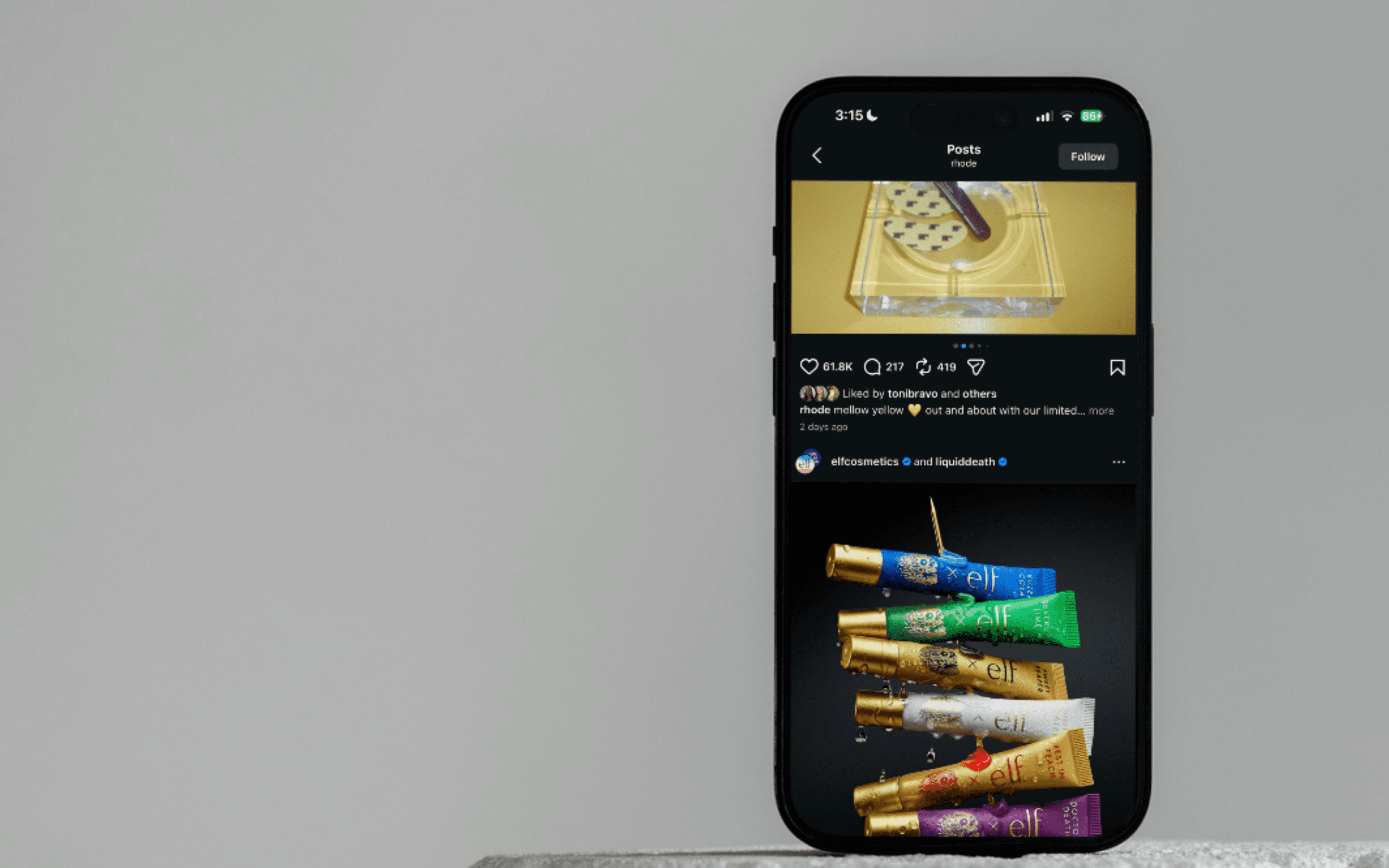
Rhode teamed up with Justin Bieber on a limited drop of skincare essentials and branded accessories, merging the brand’s minimalist beauty universe with Bieber’s global pop-culture reach. If one collab this year made us genuinely pause and think about the strategy behind it, it would be this one. Rhode dropped this partnership while Justin Bieber was headlining Coachella. The timing wasn’t incidental. It was the whole point. While everyone was already talking about him, the collab slid right into the conversation, riding the wave of an ongoing moment. Seamless, smart, and a double whammy, a stroke of strategic marketing genius for the couple.
Why it works: The connection is personal (husband and wife, shared audience). The personality is unmistakably both of them (clean, minimal, effortlessly cool). And it feels like a natural extension of who they are rather than a campaign. That’s the benchmark for celebrity x brand partnerships done right.

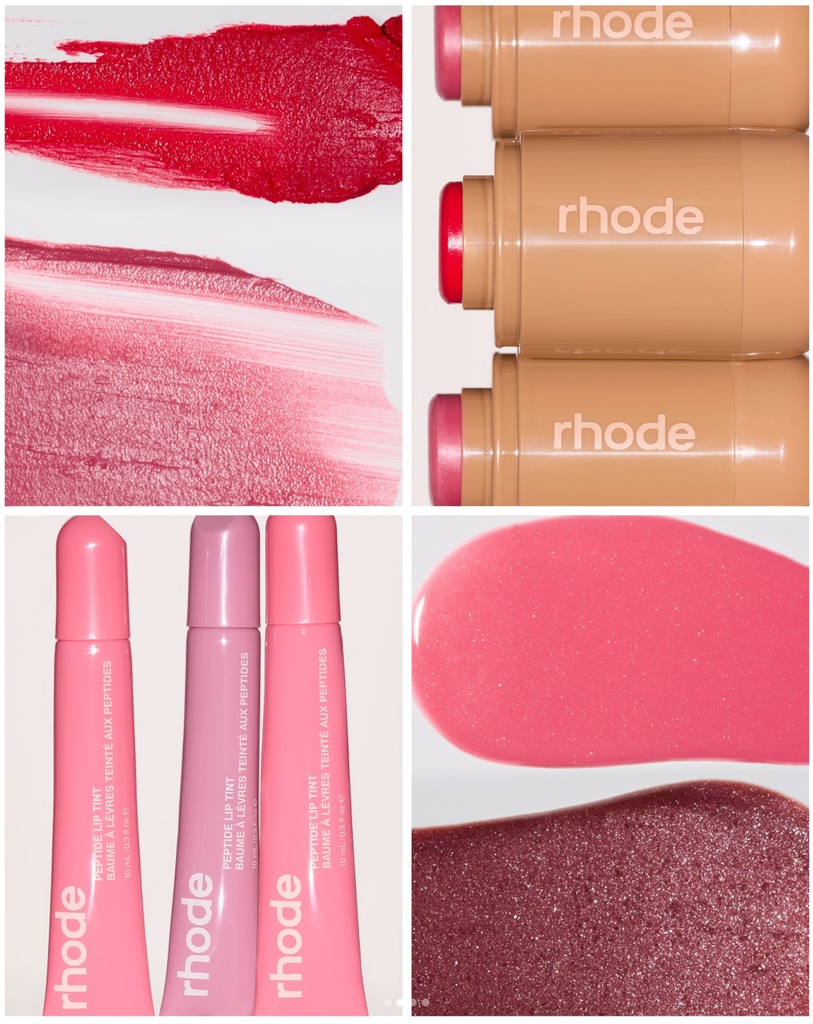
Rhode’s spring beauty campaign featuring Sarah Pidgeon highlights new shades of its Pocket Blushes and Peptide Lip Tints, with Pidgeon serving as the face of the launch. Rhode makes its second appearance here, and it’s not a coincidence. Their approach to choosing collaborators is worth studying closely. Their partnership with actress Sarah Pidgeon comes as her profile is rapidly rising, thanks to her role as Caroline Kennedy in a newly released Kennedy-focused series that has put her firmly in the cultural conversation. Rather than waiting until someone becomes untouchable, Rhode leaned into the momentum early, building visibility around a product drop that fits seamlessly into her growing public image.
Why it works: Pidgeon’s clean-girl aesthetic and audience map almost perfectly onto Rhode’s. This is what smart celebrity brand partnerships look like: finding genuine overlap before the window closes.

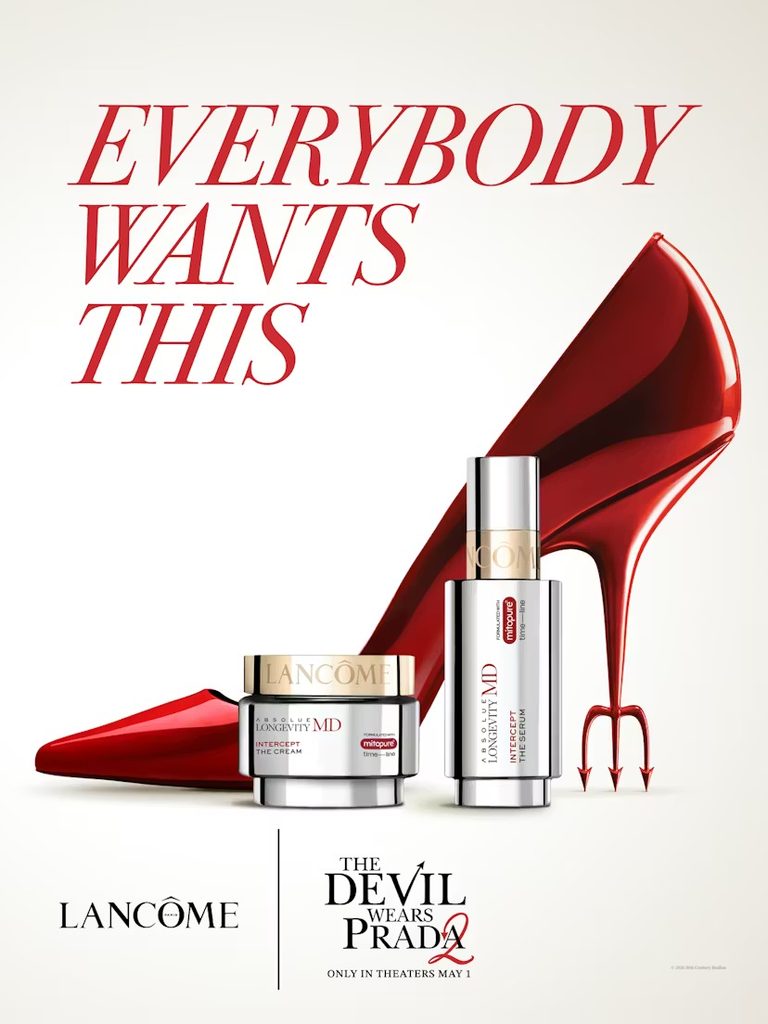
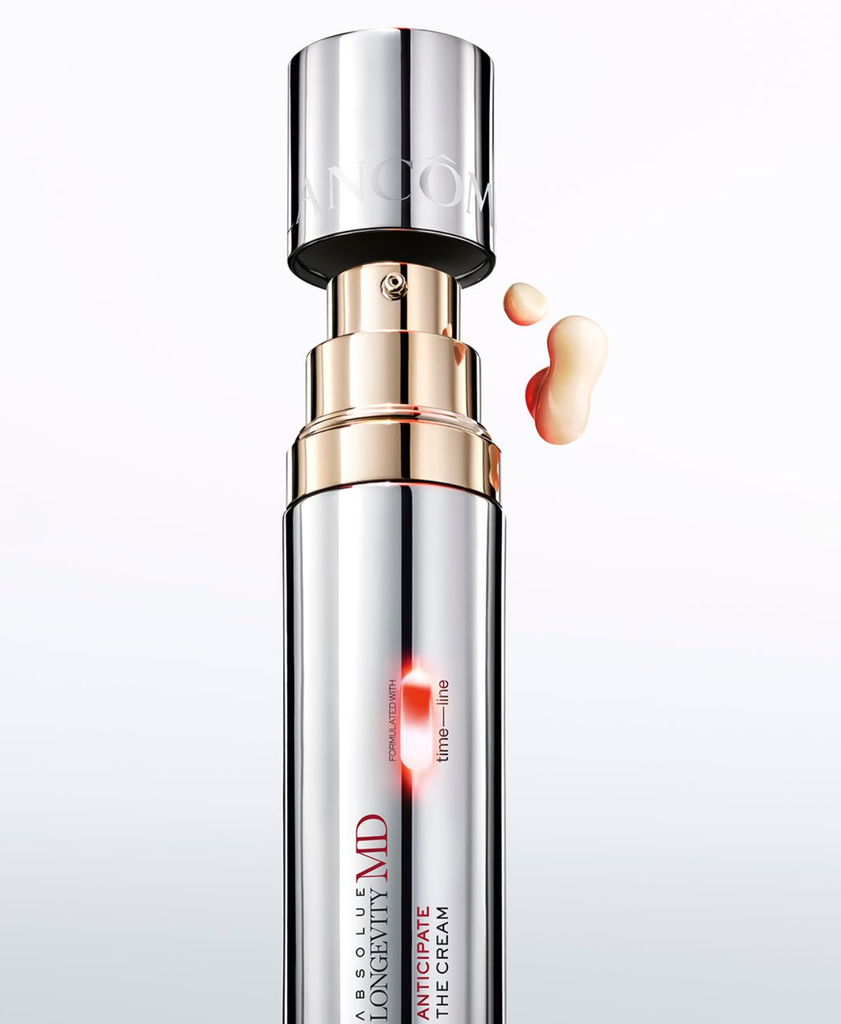
Lancôme has been named the official skincare partner of The Devil Wears Prada 2, with its yet-to-be-released Absolue Longevity MD range featured in a campaign set inside the fictional Runway magazine office. This one is a cultural moment in the shape of a beauty collab. Rather than a traditional product drop, Lancôme is integrated directly into the film universe, aligning its luxury skincare with one of fashion’s most recognisable fictional worlds. It’s nostalgia marketing, but anchored in a real product narrative that sits inside the story itself.
Why it works: The connection between a prestige beauty brand and an iconic fashion franchise becomes powerful when it is embedded into the world-building rather than layered on top of it. Nostalgia plus luxury remains a high-performing combination when executed with this level of integration.
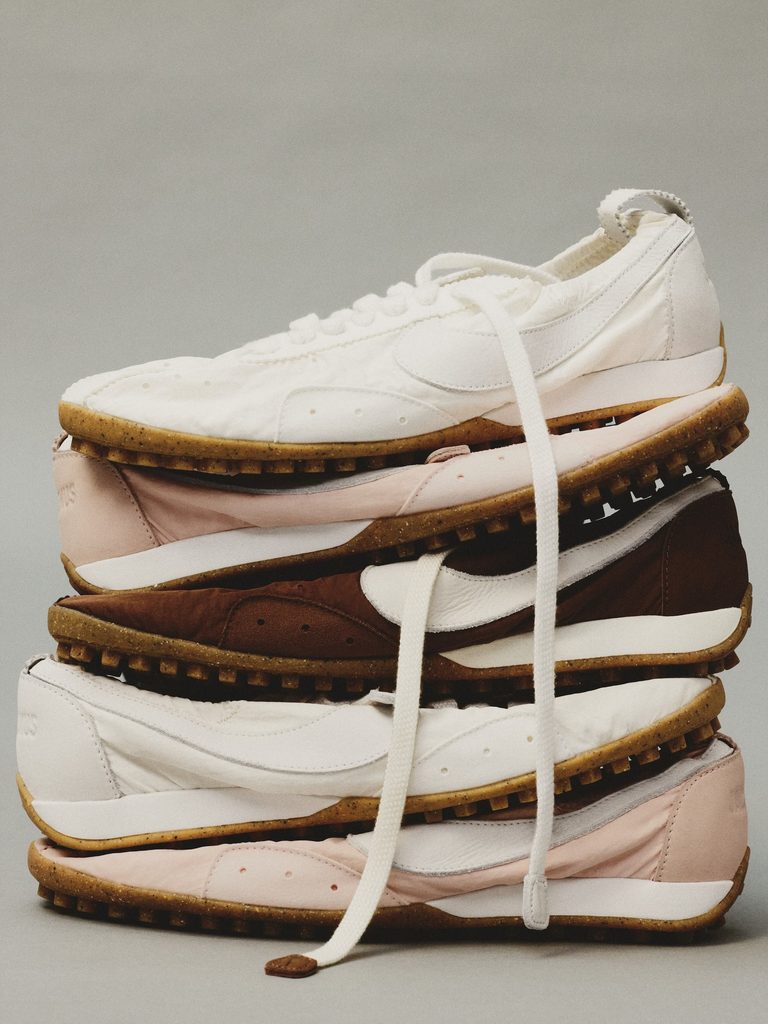
Jacquemus has partnered with Nike on the release of the Moon Shoe, a reimagined archival sneaker that blends Nike’s running heritage with Jacquemus’ minimalist, sculptural design language. Luxury brand collaborations often run into a tension: they either feel too stiff for a streetwear crowd, or too casual for their core audience. Jacquemus x Nike resolves that problem. The Moon Shoe stands as a single, tightly focused product where Nike brings performance credibility and Jacquemus brings fashion restraint, resulting in a silhouette both sneakerheads and fashion audiences actively wanted.
Why it works: Both brands retain their identity while shaping a product that feels unified rather than compromised. It is a rare case where archival storytelling and modern desirability meet in one object.

Why it works: The collaboration is driven by shared tone rather than shared category. When two brands are aligned in attitude, even the most unexpected product pairing can feel coherent.
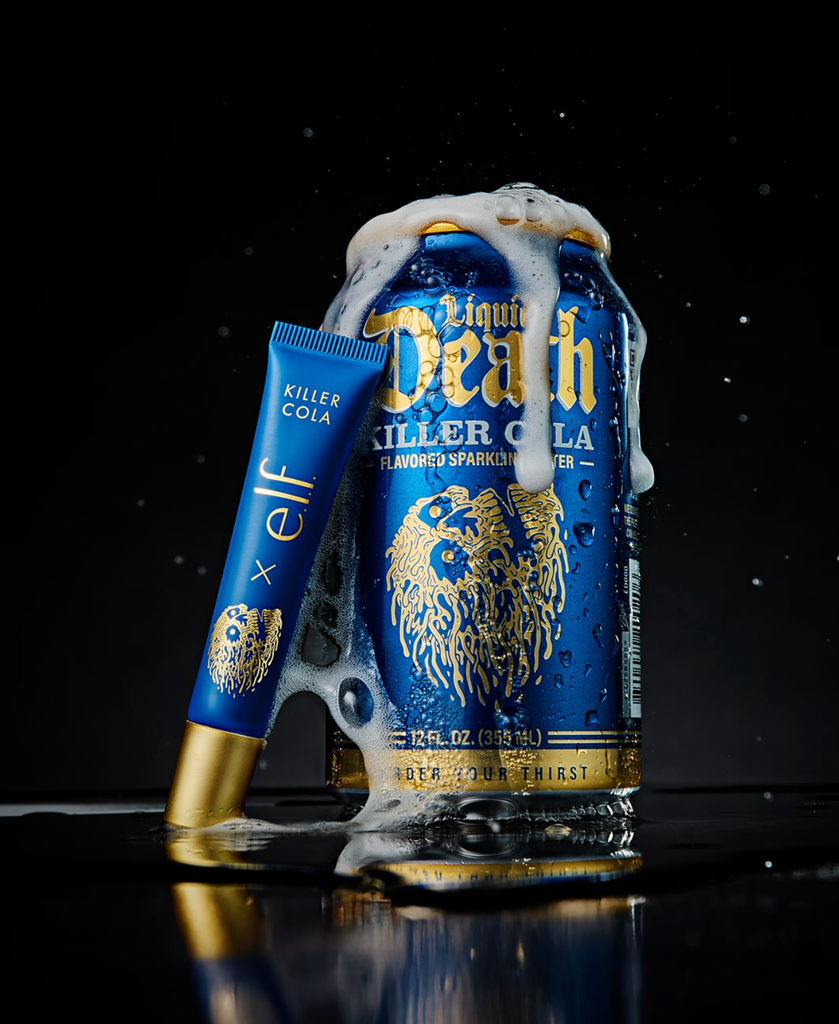
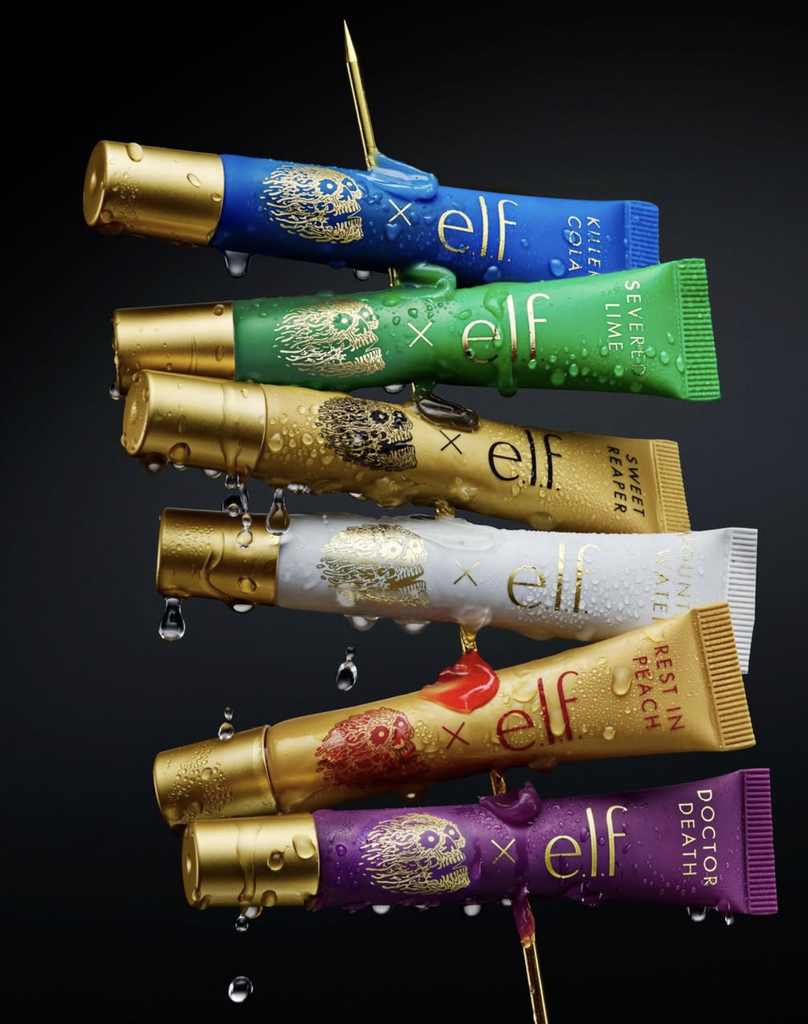
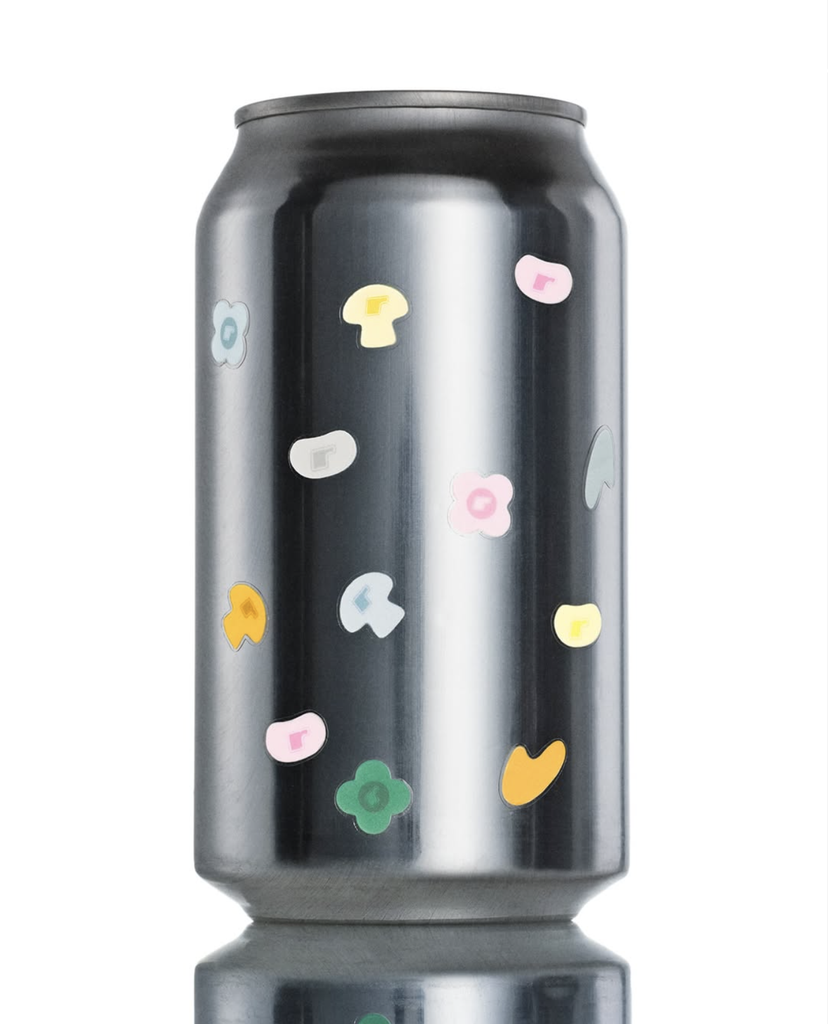
Liquid Death and Spotify have partnered on a conceptual activation called the Eternal Playlist Urn, a physical urn designed to symbolically “store” a person’s Spotify playlist as a cultural time capsule. Liquid Death earns a second spot on this list, and it’s well-deserved. Their partnership with Spotify is rooted in a shared audience: music fans, festival-goers, and people who experience life through culture. The idea takes Spotify’s deeply personal listening habits and reframes them through Liquid Death’s irreverent, slightly absurd branding lens, turning digital identity into a tangible, almost ritualistic object.
Why it works: Both are lifestyle brands first, product brands second. The collab feels organic because both inhabit the same cultural space. Audience alignment over industry proximity, every time.

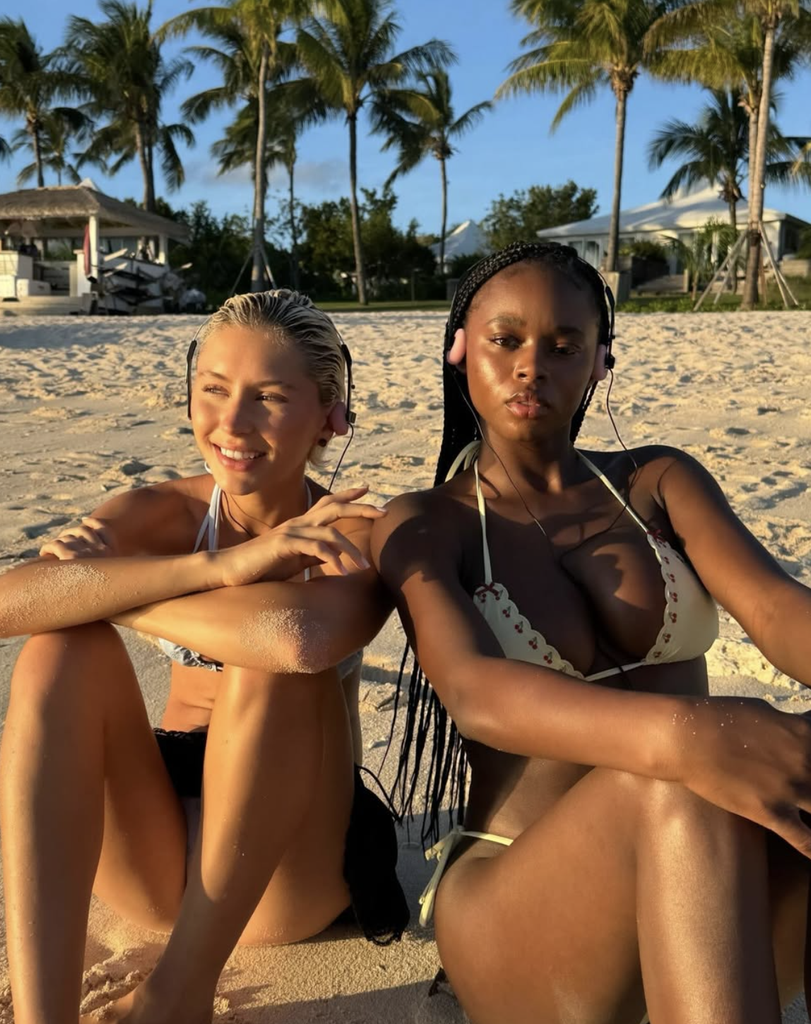
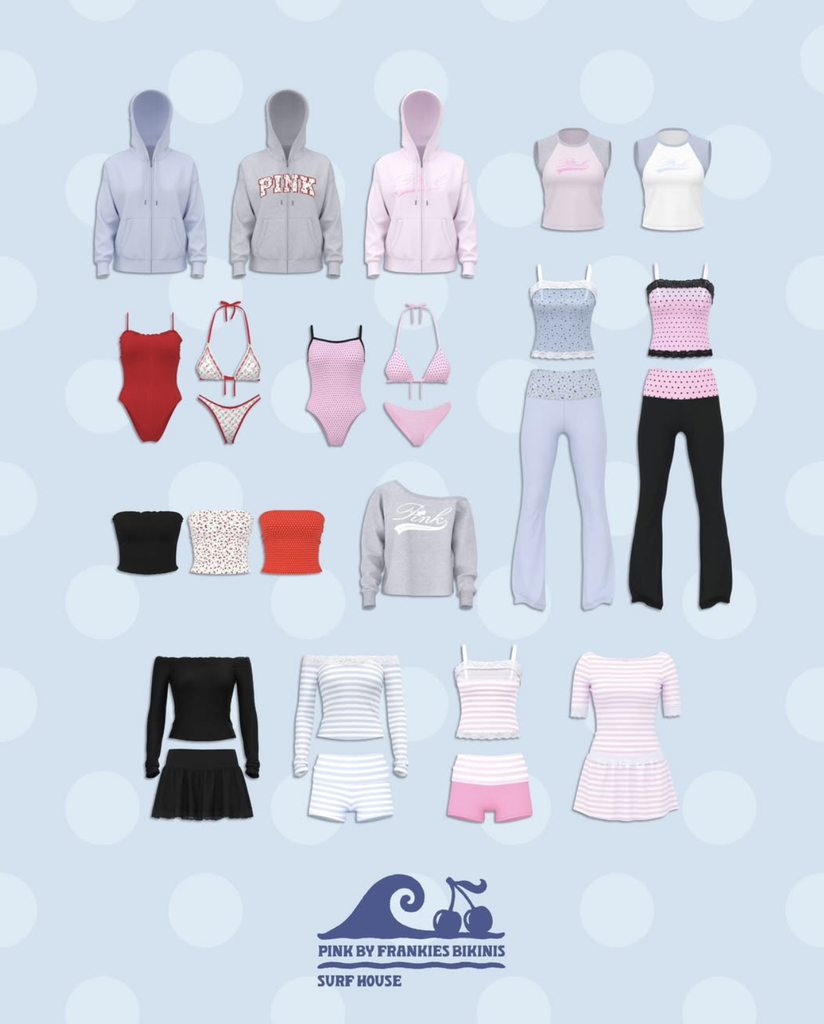
Victoria’s Secret PINK and Frankies Bikinis have teamed up on a limited-edition swimwear and lingerie collection that blends PINK’s collegiate lifestyle aesthetic with Frankies Bikinis’ California-inspired swimwear design. Victoria’s Secret has been on a deliberate repositioning journey, and this collaboration is one of their sharpest moves yet. Frankies Bikinis brings a younger, more social-media-native energy that helps PINK reconnect with an audience it has been actively trying to re-engage. It’s not just a product drop; it’s a strategic statement about where the brand is heading.
Why it works: The shared aesthetic universe (swimwear, femininity, summer) is the familiar foundation, but Frankies brings fresh cultural relevance. As brand partnership examples go, this one is particularly instructive: a collab used as a repositioning tool, not just a revenue play.
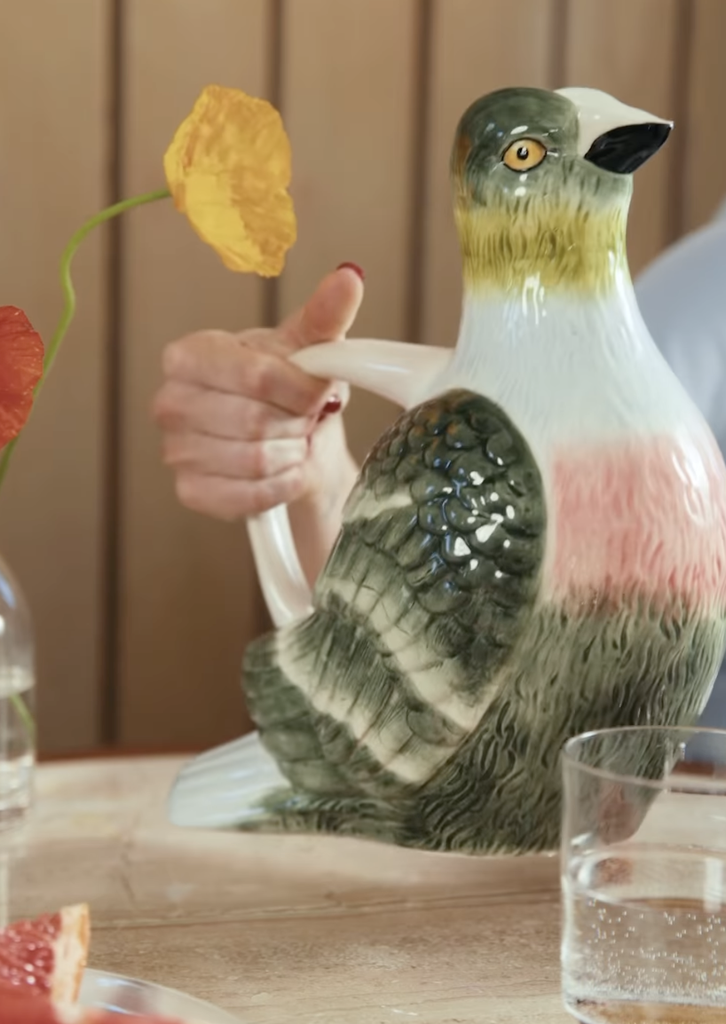
Emma Chamberlain and West Elm have collaborated on a large-scale home collection spanning furniture, lighting, textiles, and decor, defined by an eclectic, whimsical, and vintage-inspired design language rather than a minimalist one. West Elm brings its modern mid-century foundation, while Chamberlain injects a highly personal visual world filled with playful motifs, bold color accents, and unexpected objects that feel more expressive than restrained. The collection is intentionally layered, mixing postmodern references with nostalgic details like buttons, pigeons, and apples, creating interiors that feel lived-in, characterful, and slightly offbeat rather than minimal or stripped back.
Why it works: Authenticity is the entire proposition. Her audience buys into her aesthetic because it feels personal and internally consistent across her content and home design choices. West Elm gains access to that cultural trust, while Chamberlain gets a platform that translates her distinctive visual language into physical spaces at scale. Both sides are aligned on creative authorship, and that clarity is what makes the collaboration feel coherent rather than purely commercial.

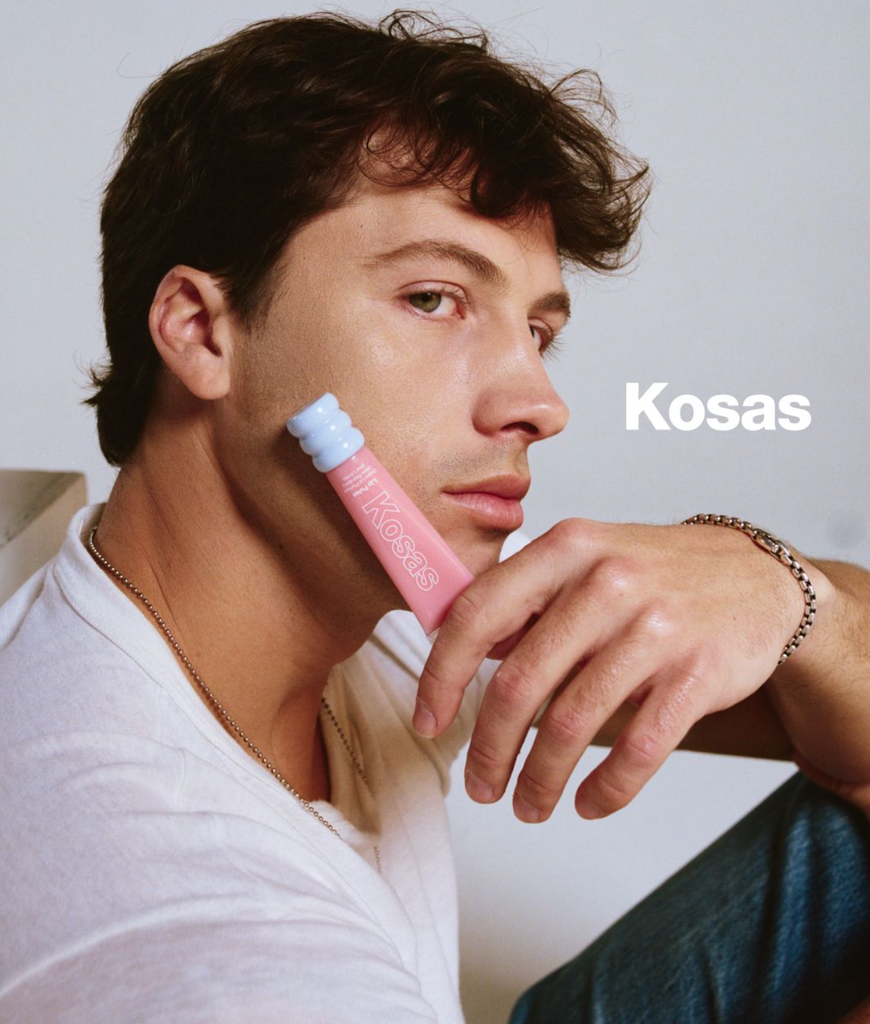
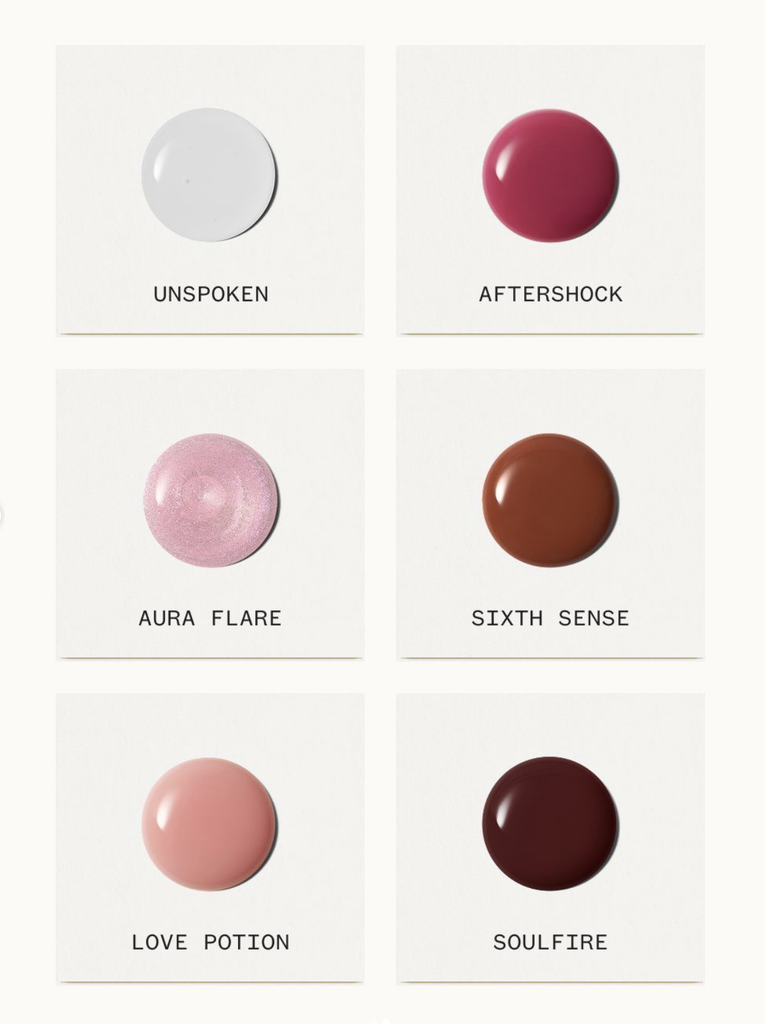
Kosas has partnered with Rob Rausch to front the launch campaign for its Lip Pulse Glassy Lip Plumper, a glossy lip product designed to hydrate and visibly plump while creating a sensory tingle effect. This collaboration places Rausch at the center of a campaign built around attraction and “yearning,” using an unexpected male lead in a traditionally female-coded beauty category.
This one is culturally significant in a quieter way. By collaborating with Rob Rausch, Kosas signals something meaningful about who their brand is actually for. It challenges the traditional mold of beauty brand partnerships and generates real conversation and engagement.
Why it works: The connection is values-led. Kosas stands for real skin and real people, and Rob embodies that shift. The collaboration reinforces their identity rather than diluting it.
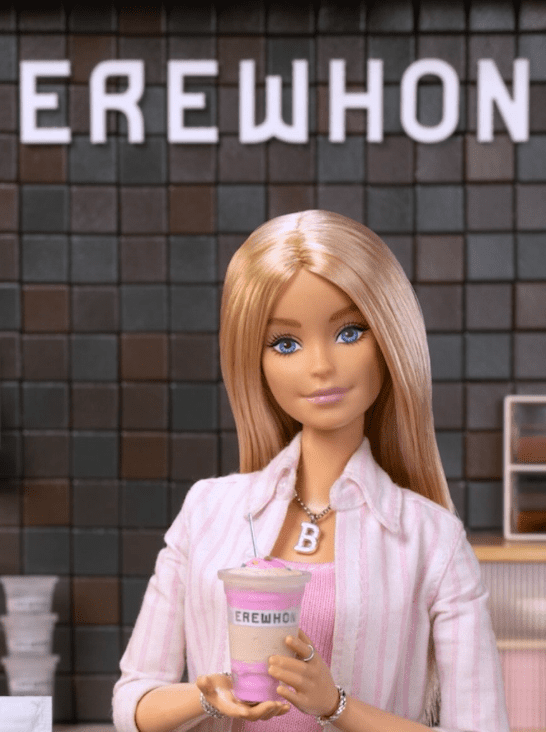
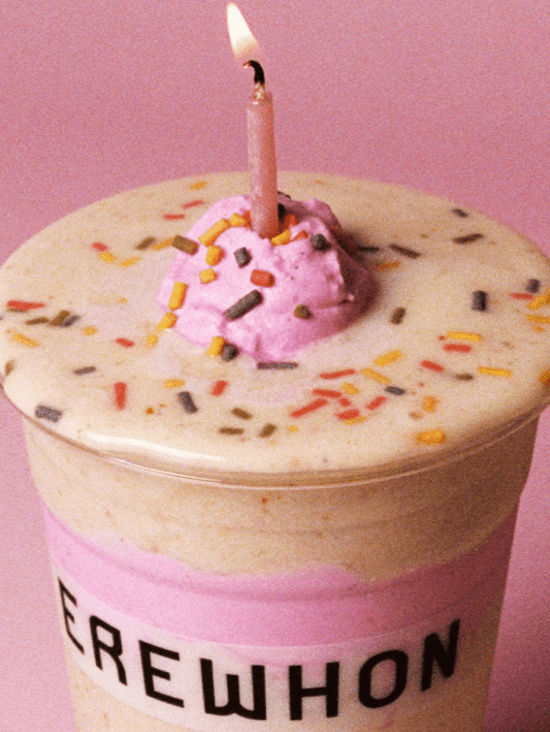
Rounding out our list of the best brand collabs of 2026, and one of the most successful brand collaborations we’ve seen in recent years, Erewhon and Barbie teamed up on a limited-edition wellness smoothie and in-store experience inspired by Barbie’s iconic pink universe and Erewhon’s cult LA health-food aesthetic. Erewhon, the cult Los Angeles wellness grocery store, and Barbie are both cultural symbols with devoted, aesthetics-obsessed followings. Together, they tapped into a lifestyle their shared audience was already performing and sharing online.
Why it works: The connection is cultural, not categorical. It generated massive organic buzz because it was instantly shareable, visually iconic, and perfectly on-brand for both partners. When a collaboration is made for a specific audience and that audience feels it, they do the work for you.
After nearly a decade working across branding, social media, and advertising, one pattern shows up repeatedly: brands choose partners based on follower count, budget alignment, or whatever is trending, and end up with collaborations that make sense on paper but mean very little to either audience.
Every partnership on this list works because both brands started from the same place: who is this actually for? Not the press moment, not the vanity metrics, but the audience itself.
When that’s the foundation, everything else tends to fall into place.
Whether you’re figuring out how to collab with brands for the first time or you’re a marketer building a brand collab strategy for social media, the best brand collaborations to inspire your next campaign all point to the same principles:
When thinking about which brands to collab with, start by listing the ones that share your values, your audience’s lifestyle, and your tone of voice. Then ask honestly: would our audience find this collab obvious and exciting? If the answer is yes, you’re on the right track.
We’ve been helping brands develop their social media and brand strategy since 2017. Whether you’re figuring out how to pitch a brand partnership or need a full campaign built from the ground up, we’d love to be part of the process. Get in touch with our team today.