What Shopify Marketing Strategies Drive the Most Traffic?

Ashleigh Milord


Ashleigh Milord
There’s a question we hear often from Shopify brands: “What’s the best way to drive traffic?”
It’s a fair question. Traffic feels like momentum. Proof that people are finding you.
But here’s the truth: there isn’t one Shopify marketing strategy that drives all your traffic.
The highest-performing Shopify stores don’t rely on a single channel. Instead, they combine SEO, paid advertising, social media, CRO, and email marketing into one cohesive system.
If you want to increase Shopify traffic consistently, you need a strategy built around your audience, your product, and your business goals.
Every successful Shopify marketing strategy starts with one thing: your audience.
Before running ads or investing in SEO, ask:
Understanding this determines everything, from your messaging to your channel selection.
For example:
SEO tip: Align your content with search intent (informational vs transactional). This improves both rankings and conversions.
Once you understand your audience, the next step is selecting the right mix of Shopify marketing channels.
Different platforms drive different types of traffic:
The best Shopify marketing strategies don’t rely on one platform, they combine multiple channels to create consistent traffic flow.


If your goal is to increase Shopify traffic fast, paid advertising is essential.
Shopify ads allow you to:
Platforms like Google Ads, Meta Ads, and TikTok Ads each play a different role in your funnel.
SEO + Ads Insight: Paid ads drive short-term traffic, while SEO builds long-term organic growth. The best strategies use both.
Driving traffic to your Shopify store means nothing if your site doesn’t convert.
That’s why Shopify conversion rate optimization (CRO) and Shopify SEO are critical.
Important: Google also considers user behavior. A well-optimized store improves rankings and conversions.
Once you’ve generated traffic, the next step is retention.
Shopify email marketing is one of the highest ROI channels for eCommerce.
It helps you:
Email turns one-time visitors into repeat customers, which is critical for sustainable Shopify growth.
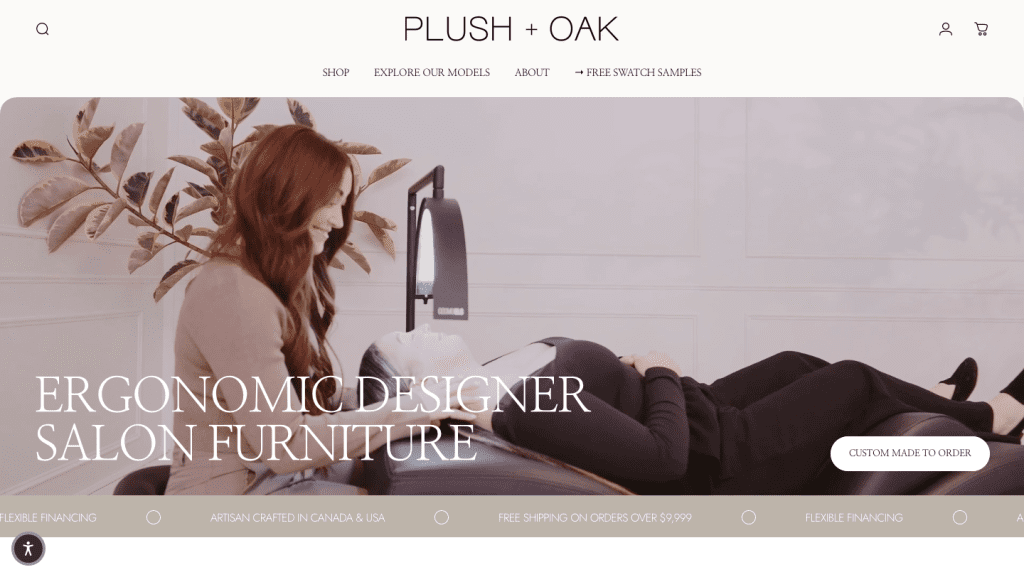
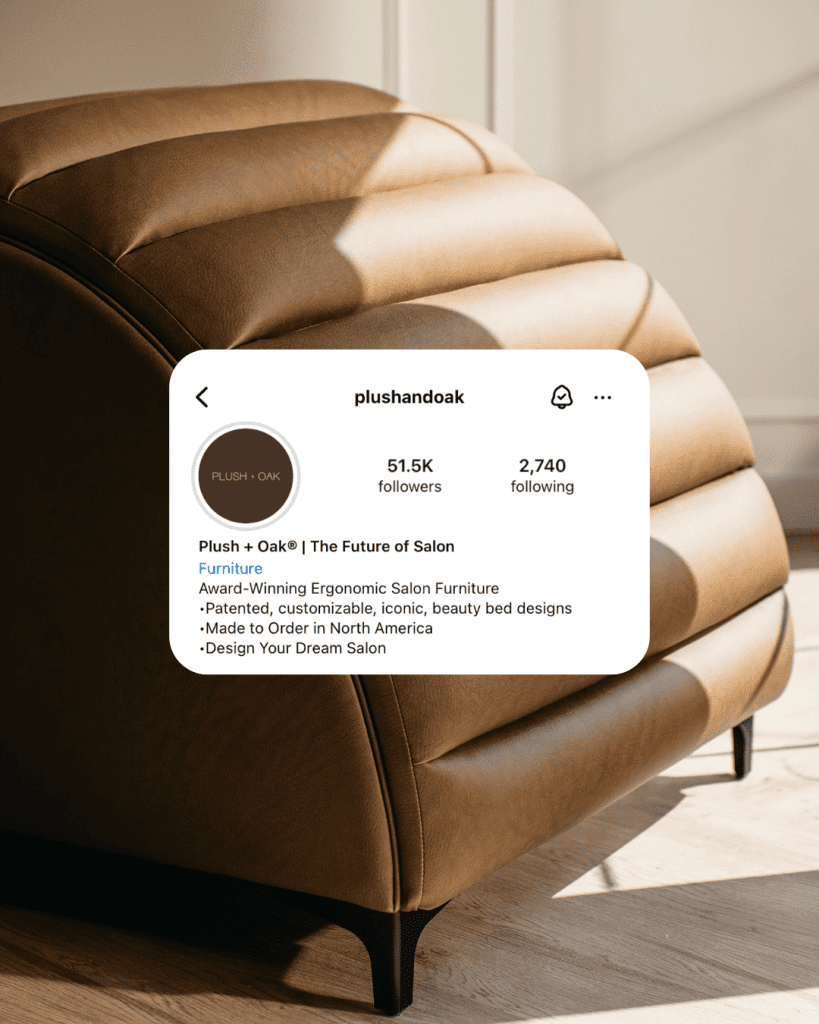
A strong example of a full Shopify marketing strategy in action is Plush + Oak.
Their traffic growth didn’t come from a single tactic, it came from layering multiple strategies:
We optimized their website for conversions, improving layout, navigation, and user experience.
We built a consistent brand presence to increase engagement and visibility.
We launched targeted Shopify ad campaigns to drive qualified traffic.
We introduced retention flows to increase repeat purchases and customer lifetime value.
Each channel reinforced the others:
This is what a scalable Shopify marketing strategy looks like.

To summarize, the Shopify marketing strategies that drive the most traffic all follow the same structure:
Traffic growth isn’t about hacks, it’s about alignment.
When your audience, channels, content, and website all work together, traffic (and revenue) follow. And if you want help crafting a strong strategy for it all, you know who to ask.
There isn’t a single best strategy. The most effective approach combines multiple tactics, including paid advertising, SEO, social media marketing, and email campaigns, all tailored to your audience.
Both play different roles. Shopify ads generate immediate traffic, while SEO builds long-term, sustainable organic traffic. The best results come from combining both.
Paid advertising through Google Ads, Facebook Ads, or TikTok Ads is the fastest way to drive traffic. However, your store must be optimized to convert that traffic effectively.
SEO helps your store appear in search engine results, bringing in organic traffic over time. It also builds credibility and supports long-term growth.
Email marketing increases customer retention by re-engaging visitors, promoting products, and building relationships. It’s key to turning one-time buyers into repeat customers.