What 8 Years in Real Estate Marketing Taught Us

Anne-Sophie Blais


Anne-Sophie Blais

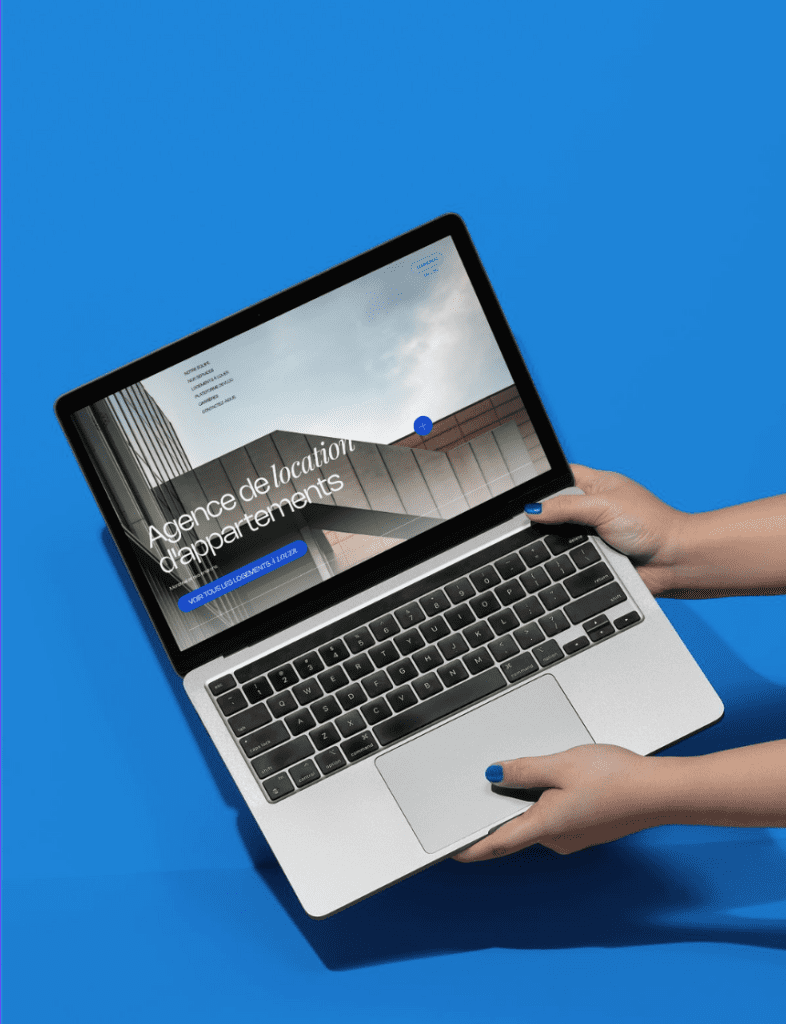
Eight years ago, while we were still starting in online marketing, one of our very first clients knocked on our door with a sizable portfolio of apartments, a half-functioning website, and a real estate marketing approach that needed a serious dusting off.
Their name was Trylon. And without knowing it, their reaching out to us was the catalyst for us falling head-first (and, eventually, head over heels) for one of the most resistant and traditional industries out there: real estate.
They were our baptism by fire, meaning they needed help for all of their marketing needs. And that is what we did: we rebuilt their entire digital ecosystem. Branding, website, SEO, custom property pages, Centris integrations, you name it, we did it.
And somewhere through all this work, we discovered something big: real estate obviously didn’t know it needed marketing… but marketing was exactly what it needed.
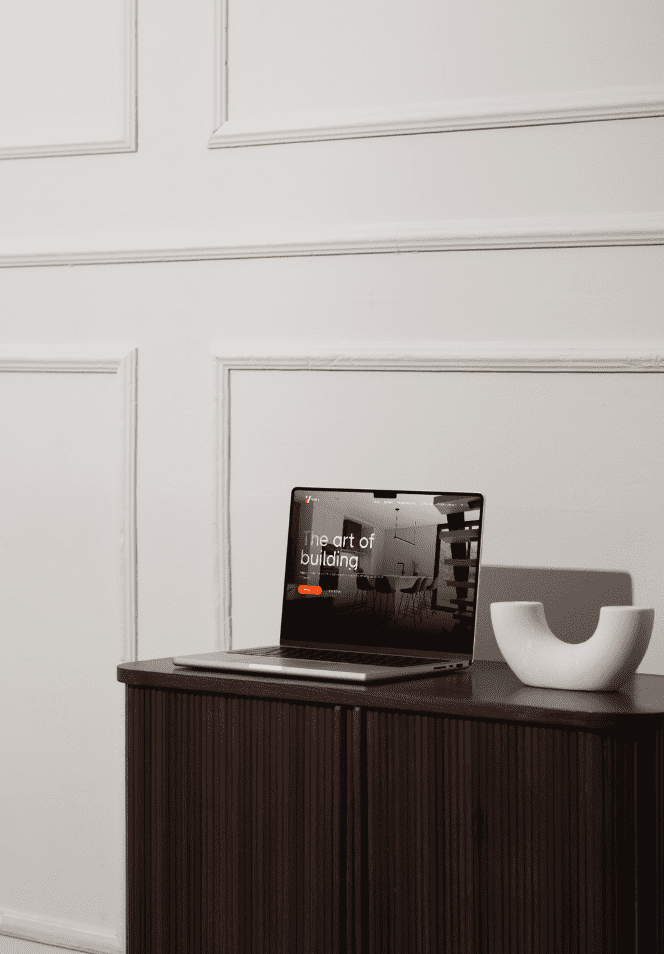
If we had to describe the real estate marketing landscape when we first stepped into it?
Think beige. Functional, sure. Inspiring? Not really.
The industry has been running on the same “if it ain’t broke, don’t fix it” mentality for years. Websites look identical. Listings feel copy-pasted. Brokers blend into one another. Buyers and renters are choosing where to live based on information that’s so flat, it could’ve been faxed over.
But the crazy part is that through all of this, demand is still high, and properties still fill up.
And this is precisely why so few real estate companies are eager to invest in marketing at all.
Our thoughts? Just because people are already knocking doesn’t mean you shouldn’t make an effort to get your decor in check.
And in that, we saw an enormous, untouched opportunity: if everyone is doing the bare minimum, doing things right instantly makes you an industry leader.

Across residential, commercial, property management, and rentals, we keep seeing the same pattern:
But the buyers and renters themselves? Not interchangeable, and they shouldn’t be made to feel like it. Real estate customers, whether they’re signing a lease, buying a multi-million-dollar property, or renting commercial spaces, make deeply emotional decisions disguised as rational ones. They want reassurance, clarity, a sense of belonging. After all, a home or a place to grow one’s dreams is one of the biggest and most meaningful investments of a lifetime..
And that’s something traditional real estate marketing clearly never accounted for.
Speaking of their perception of the industry, let’s talk about the people that operate it. After nearly a decade, we can say this with confidence: these clients operate on a totally different frequency than any other industry.
They’re not sitting at a desk waiting for your email, wanting to check on a project every step of the way. They’re busy: on the road. In buildings. At showings. Running to meetings. Signing papers on their phone in the car.
They don’t want 40-page strategy PDFs, endless v1-2-3(4-5-6-7), pitches followed by pitches followed by pitches. They want: “Does it work? Great. Run with it. Text me if it’s urgent.” They want to be able to trust us, to think, plan, create, strategize, and execute so they can focus on running their properties. In their eyes, marketing should be handled, not discussed over and over again.
And that environment might’ve been a bit unsettling at first, but once we got our bearings and got used to it, it made us that much more confident in our abilities. Moreover, it made us self-taught, resourceful, and independent. Not to toot our own horn, but we became a dream to work with: little fuss, and many home run when it came to results.
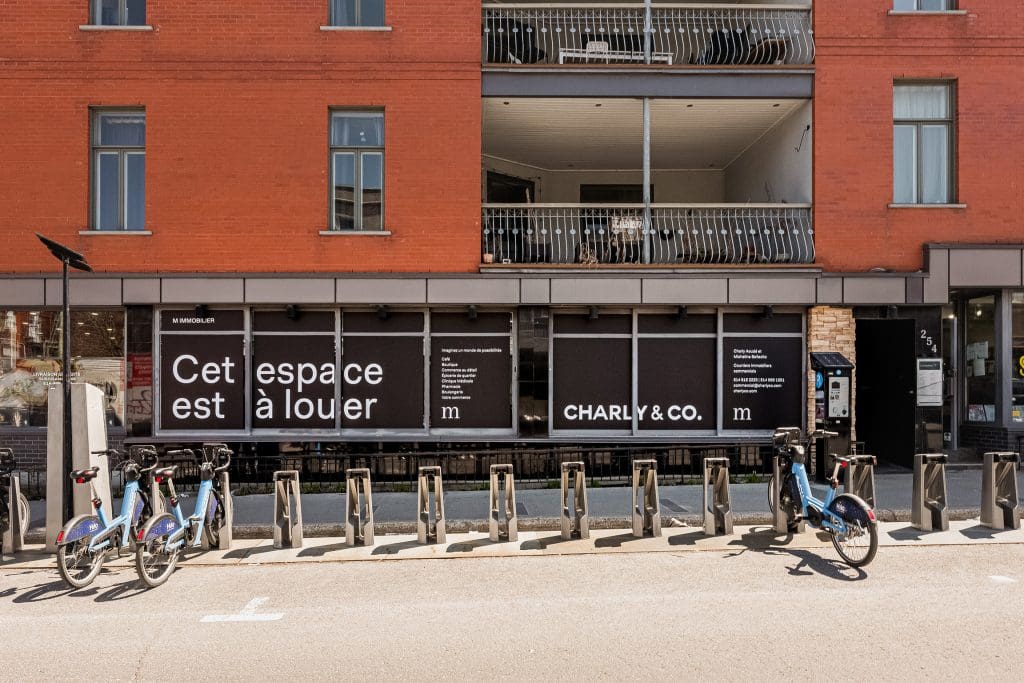
Let’s stop circling around the drain and talk about what actually moves the real estate needle toward results.
1. A digital storefront (that actually feels good to visit)
A property brand’s website is its lobby. That metaphor might be a bit heavy-handed, but it is still true: if the experience feels cold, confusing, or outdated, clients will at best not necessarily recommend your services, and at worst leave.
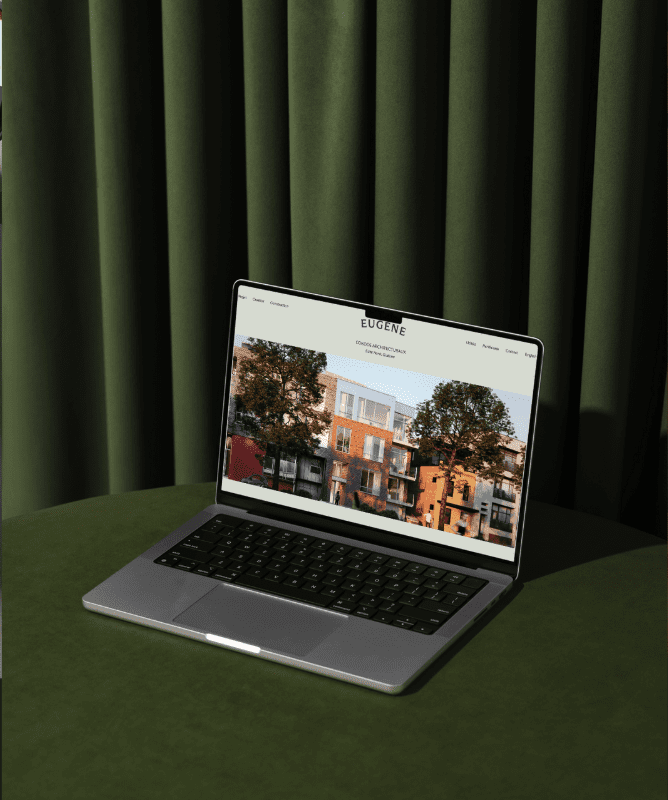
As an agency that specializes in high-end digital vitrines, this is where we can come in with:
We’ll finish this with one last metaphor (we just can’t help ourselves): bottom line is, if your digital presence feels like walking into an empty apartment with fluorescent lighting… the deal is already tethering toward “off.”
2. SEO & ads (because “people will find us” is not a strategy)
Let us be clear: ranking well isn’t luck, and “organic traffic” doesn’t appear out of thin air. It takes structure, consistency, and a well-thought-out strategy. When you understand this, or are willing to let us show you proof of what great SEO and Ads can do, you put yourself in the best position to grow faster.
3. Social Media (yes, it matters now)
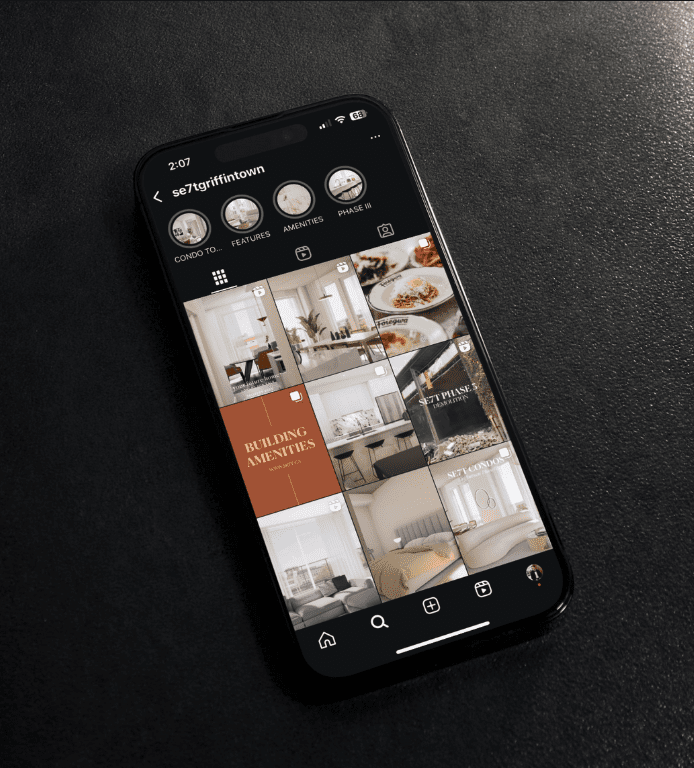
TikTok and Instagram are the new rental directories for younger audiences, who are just beginning to wield real purchasing power. When it comes to choosing where to live, curating a vibe can make a bigger impact than any floor plan. Forget empty white walls and freshly refurbished floors: this audience wants to see what life could actually be like: what the community feels like, why the neighborhood is special, and how the space fits into their lifestyle.
This generation is online, scrolling, and sharing, so knowing how to speak their language on social media is crucial. Traditional marketing methods, like direct mail flyers sent to your mailbox, can feel outdated and miss the mark with younger renters and buyers. Simply showing an apartment isn’t enough; they want to picture a life there.
4. A seamless virtual experience (let people explore before they arrive)
The bar for virtual property experiences is still surprisingly low, which means standing out is easier than most people think. It’s no longer enough to post a few photos and a floor plan online: people expect to feel the space, its flow, and its atmosphere before they ever step foot inside.
By creating a rich, engaging digital experience, we turn “browsing listings” into a genuine preview of life in the space, helping prospects make faster decisions while reducing the friction of in-person visits. Essentially, if they feel at home online, they’re much more likely to commit offline.
5. Storytelling & Branding (or the industry’s biggest blind spot)
Most listings look the same: polished photos, neutral walls, standard layouts. In a market like that, the real advantage isn’t the property itself, it’s the story around it.
Branding isn’t just a logo or colours; it’s the personality of a property brought to life. A strong narrative can turn a “maybe” into a “let’s visit” by connecting emotionally with buyers. So taking the time to craft a strategic, consistent story is the shortcut to standing out in an otherwise copy-paste industry.
1. “Our website works fine.”
Fine does not convert, impress, or build trust. What does work is showing proof of concept: previous client data, case studies, and examples that demonstrate the difference between “fine” and exceptional. We keep sharing until our clients see the world of possibilities that’s up to them, a world where good enough can quite easily become great.
2. Market saturation
When every listing looks the same (beige walls, standard layouts, cookie-cutter photos), standing out just isn’t in the cards. That’s where storytelling and branding come in. We paint a narrative around the property: the vibe of the community, the lifestyle it enables, or the unique features that make it memorable. By creating context and emotion, we help properties rise above all that current noise.
3. Long sales cycles
Real estate decisions take time, and prospects often disappear before they commit. To counter this, we build systems that nurture leads, educate potential buyers, and keep the property top-of-mind. From email campaigns and targeted ads to interactive content, we create touchpoints that move prospects along the path to a visit (or even a purchase) without ever crossing the line into pushy territory.
After many years working with this one-of-a-kind industry, we can confidently say that not only did we change the results our clients are seeing, but we changed as well. We became quicker on our toes, more decisive, more strategic, but also grounded.
We kept our wits about us and never let creativity come at the expense of clarity. We became masters at communicating in a way that felt clear, compelling, and reassuring for clients who are overwhelmed by a decision that’s understandably more stressful than buying a toothbrush.
We found a way to prove that even the smallest upgrades can transform your perceived value, and that presenting yourself well (whether it’s on social media or with a revamped website, for example) can fast-track trust.
And these lessons, we make sure to carry into every industry we work our way into.
Honestly, we believe the next 3–5 years are going to be interesting. Here are our personal takes:
Transparency and authenticity will be everything.
So the next real estate moguls will be the ones who are honest, warm, and compassionate, the ones trying to connect with people, rather than seeing them as numbers on a spreadsheet (or worse, a commission to be made).
Real estate is currently built on square footage, but we are renovating it to have a feeling extension. Alright, that was, once again, a bit heavy-handed. But trust us, when a property goes that extra mile to tell a story, people don’t just visit it, they picture their life in it, and that’s what makes the magic (or results) happen, and often.
And if you need that extra push to believe it, contact us: as we’ve said, we’ve got the examples, client data, and case studies to change your mind.